Medication is the quiet spine of every day life in senior groups. It can prevent blood stress consistent, moods even, and pain conceivable. It could also lead to falls, confusion, or sanatorium visits when handled poorly. The manner a community organizes medication control tells you a lot approximately its philosophy and knowledge. Nowhere is that comparison clearer than between assisted dwelling and reminiscence care.
I even have spent years running households simply by both settings, sitting at dining room tables with weekly pill organizers unfold out like patchwork, and shadowing nurses on med passes throughout the dinner rush. The facts matter. A group that matches one individual perfectly is also the wrong tournament for anybody with easy cognitive impairment, and the distance purely widens once dementia advances. Understanding how treatment exercises range among assisted residing and memory care is helping you dodge preventable crises and elect a spot the place your beloved can thrive.
The user-friendly floor: pillars of riskless therapy use
Assisted dwelling and reminiscence care proportion a beginning. Both target to offer the correct treatment, at the top dose and time, to the true person, with the fewest facet effortlessly. That groundwork depends on four things.
First, a complete, existing therapy record. This sounds basic, yet so much mistakes start out with a lacking vitamin, duplicate prescription, or out of date dose. Communities place confidence in prescriptions from the customary care supplier, professionals, and normally telehealth visits. The excellent ones reconcile the checklist whenever a new order is available in and after each and every hospitalization.
Second, a method for tracking and reporting variations. New drowsiness, swelling, or a cough that lingers would be a medical care obstacle. Staff have to report observations, cross them to a nurse or cure technician, and boost to the prescribing clinician whilst patterns emerge.
Third, maintain storage and managed get entry to. Whether medicines are centrally saved or stored in resident rooms, locks, temperature controls, and audit logs aren't non-obligatory. Even a topical ointment can purpose injury if used incorrectly.
Fourth, steady workout. States range on whether or not qualified cure technicians can give meds or if a nurse will have to do it. The most appropriate communities pass beyond the minimal, with palms-on refreshers, shadowing, and competency tests at least every year.
From there, the paths diverge.
Who manages what: autonomy as opposed to protection
Assisted living traditionally starts offevolved with the idea that residents can perform a little things for themselves, inclusive of handling facet or all of their therapy ordinary. Staff might activate verbally, convey a reminder card at breakfast, or check a weekly organizer that domestic fills. Some citizens hold their very own meds in a lockbox and ring down in the event that they desire a replenish.
Memory care, by way of layout, takes a extra defensive stance. Residents living with Alzheimer’s or other dementias more commonly won't accurately monitor timing, identify pills, or recollect whether they already swallowed a dose. In reminiscence care, medications are close to continually centrally kept, equipped via group, and given head to head. Self-administration is infrequent, or even if a resident asks for it, the decision runs using a careful overview and well-known rechecks.
These other opening facets should not approximately functionality by myself; they mirror the wider subculture. Assisted dwelling values independence and preserves it, whether that means accepting some threat. Memory care prioritizes defense and events to diminish confusion, even supposing it limits spontaneity. The determination isn't moral, it really is clinical and life like.
The daily rhythm: what a med skip looks like
Walk into an assisted living dining room at eight a.m. and you could possibly see a med cart roll among tables. A licensed nurse or proficient med tech calls residents by means of name, verifies identity, and offers morning pills with water, normally alongside a blood tension examine or insulin injection. Others take their possess medications in their residences consistent with non-public workouts. Timing windows tend to be versatile, broadly speaking inside an hour of the scheduled time, unless the drugs requires precision.
In reminiscence care, the med go is more tightly choreographed. Staff time doses to healthy conventional very own workouts and the community’s day-after-day movement. A resident who resists drugs at breakfast would do more beneficial after taking walks inside the lawn. Another would possibly handiest be given healing while an aide they accept as true with is on shift. Staff lean on innovations that cross beyond drugs in a cup: crushing medicines that enable it and mixing with applesauce, providing one tablet at a time, or driving small sips of warm tea instead of bloodless water for those with swallowing things. The medical care window is narrower for capsules that have effects on cognition or habits, considering that a overdue dose can ripple into agitation with the aid of afternoon.
People and credentials: who can provide medications
Regulations vary with the aid of country, yet a few constant styles teach up.
- In assisted living, healing guidance will be furnished by using an authorized medicinal drug technician lower than nurse supervision. Nurses are on site all the way through guaranteed hours and on call after hours, with 24/7 staffing by means of caregivers. Complex obligations like insulin titration, tube feeding medications, or IV antibiotics may additionally exceed the license of the putting, depending on nation regulation and service abilities. In reminiscence care, the identical licensure ideas observe, yet staffing in general skews towards higher caregiver ratios and more nurse involvement. Medication aides be given added dementia-specified working towards, and bosses set tighter expectations for documentation and statement publish-dose. For excessive-probability instances, similar to PRN antipsychotics, a nurse in many instances assesses the conduct, records non-pharmacologic tries, obtains orders, and displays end result.
One caution: task titles can deceive. “Wellness nurse” might possibly be an LPN or RN, or it will be a manager with out licensure in a few markets. Ask especially who passes medicines, their certifications, and who's on web site at 2 a.m. on a Sunday.
Storage and safety: in which drugs live
In assisted residing, storage relies upon at the resident’s capacity. Capable residents can also retain a locked drawer in their condominium whereas the group holds managed resources centrally. When the network manages drugs, they use locked med rooms or carts and defend perpetual logs for controlled medications. Refrigerated presents journey in a small locked cooler outfitted into the cart or in a dedicated med room fridge with temperature logs.
In memory care, well-nigh all medicinal drugs are centrally kept. Many groups dispose of the med cart from wide-spread locations to scale back confusion and create a calmer environment, the use of discreet wall-set up shelves or dedicated med rooms. Teams as a rule shade code drawers or use considerable-print labels to reduce down on variety mistakes right through excessive-site visitors instances.
Assessments and care plans: while the plan changes
In assisted living, residents may perhaps start off with partial aid. Perhaps the neighborhood offers morning and night medications even as the resident handles midday capsules. If the man or women starts missing doses, employees report the pattern and request a medication leadership upgrade. The relatives would conform to full carrier for a tribulation period, with a plan to revisit in 30 days.
In memory care, medicine management is outfitted in and adjusted for behavior, swallowing talent, and infirmity level. A resident who pockets drugs may well set off a speech cure referral to guage dysphagia, a switch to liquid or disintegrating pills while to be had, and a brand new protocol with extra water and one-to-one supervision. If sundowning intensifies, the team would possibly shift timing of antidepressants or cholinesterase inhibitors, or alter a nap pursuits until now touching medicines at all.
Care plan adjustments in both settings need to circulate from noted details. The quality teams bring households into that loop early, not after a fall or emergency room talk over with.
Polypharmacy: taming the sprawl of pills
Most citizens arrive with a crowded med checklist, traditionally eight to 12 medications, plus over the counter objects. Reducing that list improves exceptional of life and decreases danger. Assisted residing communities pretty much start up deprescribing by flagging duplications or asking prescribers to justify every one medicinal drug. The medications so much usually pruned embody proton pump inhibitors used beyond their normal rationale, replica laxatives, nightly sedatives that elevate falls, and nutritional vitamins devoid of a clean indication.
In memory care, the stakes are sharper. Sedating medicines can worsen confusion and lift fall probability overnight. Anticholinergic drug treatments, normal in bladder management and definite hypersensitivity meds, can worsen reminiscence disorders. A thoughtful reminiscence care team pushes for non-drug systems first: hydration applications for urinary urgency, scheduled toileting, environmental ameliorations for sleep, and caregiver methods for anxiety. When a medication is precious, they have a tendency to favor the smallest constructive dose and transparent goals for what benefit looks like.
Deprescribing takes time and coordination. Families typically fear a therapy discount will motive decline. In perform, trimming the med checklist customarily improves alertness and mobility inside of days to weeks. The secret is a plan: one amendment at a time, cautious observation, and an gentle trail to pause if troubles emerge.
Special circumstances that amendment the rules
Parkinson’s infirmity adjustments the total agenda. Carbidopa-levodopa needs accurate timing to regulate mobility and tremor. In assisted living, a resident who can nonetheless feel “on” and “off” periods would suggest for exact occasions and elevate a small tour dose to occasions. In reminiscence care, crew will have to anchor the doses to clock occasions, now not convenience, and offer protection to that schedule from being swallowed via meals or organization programming.
Diabetes provides layers. In assisted residing, steady fashion 2 diabetes may well contain oral meds with a daily finger-stick. Memory care sees greater insulin-structured citizens, a few with unpredictable ingesting and wandering. Teams adapt via featuring small, prevalent nutrition, coordinating insulin to truly intake in preference to leading intake, and as a result of non-stop glucose monitoring while a carrier orders it and the resident tolerates the sensor.
Anticoagulation invitations precision. Warfarin necessities INR exams and nutrition consistency, which will likely be difficult if the resident forgets dietary guidance or alternatives at foodstuff. Newer anticoagulants simplify monitoring, yet require strict adherence to dosing occasions. Memory care mostly manages those more advantageous as a result of body of workers handle the habitual, however they also have got to anticipate bruising and bleeding when mobility and falls are an predicament.
Psychotropics sit down at the crossroads of ethics and defense. Assisted dwelling has a tendency to apply fewer psychotropics, booking them for clinically determined stipulations. Memory care faces refractory behaviors that in certain cases justify short-term antipsychotics or temper stabilizers. Regulations and superior perform push for non-pharmacologic measures first: noise relief, affliction keep an eye on, structured undertaking, and accepted faces. If a healing is begun, a clear target symptom and sunset date need to be set from day one.
Communication loops: preserving anyone aligned
Medication administration succeeds when counsel actions speedy. In assisted residing, a substitute might commence with a fundamental observe: “Mrs. H skipped lunch and seemed dizzy.” The nurse calls the daughter, who stocks that the prevalent care health practitioner adjusted blood force meds closing week. The neighborhood updates the eMAR and tightens blood rigidity tests for three days.
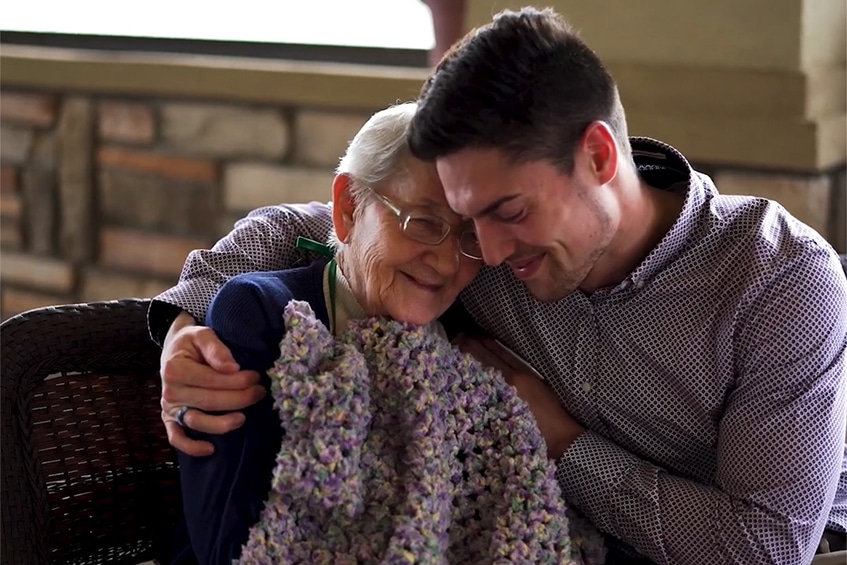
Memory care conversation incorporates conduct information and context. “Mr. K refused his 4 p.m. dose, raised voice, and paced for 18 mins. Calm after tune and a snack.” With 3 identical notes in every week, the nurse calls the provider to debate timing changes, not simply dose increases. Families be given weekly updates in lots of reminiscence care techniques on account that habit shifts will be diffused until they're no longer.
Families guide so much once they percentage open air care adjustments rapidly and produce all prescription bottles, even if they feel the group already has the record. Duplicate bottles from special pharmacies are a undemanding source of blunders.
Technology: positive, if grounded in reality
Electronic healing administration archives, or eMARs, are essential in each settings now. They diminish transcription blunders, steered team of workers, and create audit trails. Barcode scanning enables ensure that the excellent resident gets the precise healing, nevertheless adoption varies by using network measurement and funds.
Automated tablet % tactics from pharmacies make a large change in assisted dwelling, tremendously for residents managing component of their own meds. Packs prepare doses by means of time and date. In reminiscence care, bubble packs nonetheless help, notwithstanding employees ordinarily dispose of and practice doses other than handing a percent to the resident.
Wearables and intelligent reminders can delay independence in assisted residing. A vibrating watch that cues midday pills probably sufficient for any one with light cognitive replace. In reminiscence care, the grownup also can forget about or misread prompts. A human cue added lightly, in the properly tone, and at the accurate second remains the gold in style.
Transitions of care: the place mistakes hide
The riskiest time for treatment error is after a clinic or rehab reside. Discharge orders ceaselessly vary from the pre-health facility list. Assisted living personnel must reconcile lists, discard ancient bottles, and ascertain new doses with the supplier. Families someday bring a bag of latest meds and leave the outdated ones “simply in case,” which units the level for duplication.
Memory care handles transitions with more strict quarantine of previous medications. Many communities require https://www.storeboard.com/blogs/affiliate-marketing/safety-and-supervision-why-memory-care-assisted-living-may-outperform-in-home-care/6343789 pharmacy-brought blister packs until now resuming management, notwithstanding that implies a non permanent postpone at the same time a nurse uses a written stat order and a small starter give. The further step might consider bureaucratic, however it prevents double dosing.
If the one you love is heading returned to both surroundings, ask for a plain-language medicine precis from the hospital and ensure who calls the network nurse. A 10-minute mobilephone name beats a middle of the night scramble at any time when.
Respite care: brief remains with lengthy-time period implications
Respite care adds every other wrinkle. Families almost always use respite for every week or two for the time of trip, caregiver recuperation, or to test a group are compatible. Medication control at some stage in respite is thoroughly managed via team of workers in memory care, although assisted living may additionally enable self-management if the resident arrives with a clean manner and demonstrates competence. In my trip, respite is the best time for a healing music-up. Staff can detect what truthfully gets taken, what seems to be pointless, and how timing influences power and sleep.
If you intend a respite stay, carry recent orders, all treatment bottles in long-established pharmacy packaging, and the last two months of any labs tied to medicinal drugs, along with INRs or thyroid exams. Label appliance like glucose meters and inhalers. Tell the team how you cue medicines at domestic, all the way down to small methods like simply by heat water or supplying a mint after a sour pill. Those main points easy the 1st days.
Costs and insurance: what families needs to expect
Medication administration has a money architecture that catches some families off maintain. Assisted living ceaselessly charges in stages: a modest commission for reminders handiest, better for full management, and additional prices for insulin injections, nebulizers, or familiar PRN oversight. The pharmacy percent money is likely to be separate. Costs differ greatly via area, yet a per 30 days healing management value in assisted dwelling often lands in the low hundreds and climbs with complexity.
Memory care broadly speaking bundles medicine management into the bottom fee, with accessories for prime-acuity responsibilities. Because almost all residents take delivery of full remedy administration, the budget assumption is different from day one.
Medicare does now not pay room-and-board in both environment. It does disguise prescribed drugs by Part D plans, theme to copays and formularies. Many communities have appreciated pharmacies that integrate with their eMAR formulation. You can in some cases decide out, however the commerce-off is slower order turnaround and more probability of missed doses although team of workers reconcile exterior bottles. Long-term care insurance would reimburse a few healing-related services, relying at the policy. It is valued at inquiring for a blessings evaluate in the past stream-in.
Red flags and precise indications during a tour
You can be taught a great deal approximately treatment leadership in 15 minutes if you recognize what to monitor. Look for a relaxed, arranged med go. Staff could be certain identity without shouting across the room. Ask to look how the network records PRN medications and comply with-up final result. If they can't demonstrate you in proper time, that could be a yellow flag.
Watch how group respond whilst a resident refuses a dose. Coaxing that respects dignity beats pressure or threats. Ask how the group handles a past due pharmacy delivery or a lacking dose after hours. The major groups have backup inventory and a nurse who can gain a stat order, no longer a shrug and “call the surgeon in the morning.”
On the storage the front, search for temperature logs on med fridges and a controlled substance be counted that fits the closing access. Ask how ordinarily they perform healing audits. If the answer is most effective “whilst the country comes,” continue asking.
Family roles that make a difference
Even while a neighborhood manages treatment, families have leverage to enhance safe practices.
- Keep one prescriber in the lead. A elementary care or geriatrician who coordinates cardiology, psychiatry, and neurology supports forestall duplicates and interactions. Bring every bottle and discard vintage ones. If a healing become stopped, do now not depart it “just in case.” Old bottles to find their way again onto lists. Ask for a quarterly evaluation. Meet with the nurse to debate each therapy’s reason, dose, timing, and referred to end result. Agree on applicants to taper. Share patterns. Tell group of workers what you notice on visits: naps after lunch, restless evenings, limitation swallowing. Those clues steer dose timing and formulations. Plan for emergencies. Make sure the neighborhood has your consent for standing orders while fantastic, together with rescue inhalers, and a clean plan for after-hours variations.
These don't seem to be burdensome chores. They are conversations that continue the person on the middle of the plan.
When assisted living is not enough
A resident may well get started in assisted residing with easy drugs guide and later want the keep an eye on and consistency of memory care. The pivot in most cases becomes visible in about a styles: repeated refusals, hazardous duplications, pocketing drugs, worsening agitation after neglected doses, or commonplace medical institution visits for dehydration or falls tied to sedating medicinal drugs.
Communities cope with this lightly while you'll be able to, trialing accelerated make stronger first. If added group of workers time does no longer stabilize matters, memory care provides the format that makes medical care more secure. Families fear that the flow will really feel like a loss. Often, the alternative happens. With a secure activities and less medicines, many citizens turn out to be more alert and engaged inside of weeks.
The quiet metric that matters
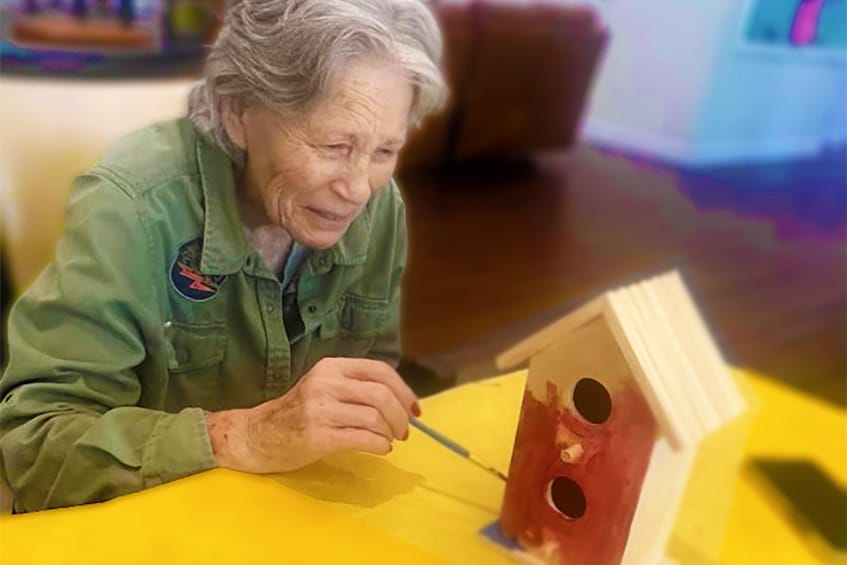
At its most fulfilling, healing leadership fades into the history. Meals style just right. A stroll after lunch feels natural. The afternoon nap refreshes rather then sedates. In assisted living, that looks as if a resident still carrying their own rhythm, with diffused, compassionate scaffolding. In reminiscence care, that feels like a day that flows, no longer considering the fact that the entirety is managed, yet as a result of the crew is familiar with whilst to bend and whilst to anchor.
The variations among assisted living and memory care medical care workouts are not bureaucratic quirks. They are reflections of how both setting supports a man’s potential and protects in opposition t factual dangers. When you review communities, graphic the particular person you like on a Tuesday at 3 p.m. Who is handing them a glass of water, how do they understand it is time, and what takes place if these days is not like the day past? If the answers consider certain, calm, and down to earth, you are at the correct music.